Small Business GEO Services
Generative Engine Optimization (GEO) is the process of growing how often your small business shows up inside ChatGPT, Perplexity, Microsoft CoPilot, Google Gemini, and other AI-driven answers. These appearances can be linked citations or simple text mentions across dozens of everyday buyer questions. At TM Blast I use Otterly.AI and Local Falcon to monitor 15 prompts daily for small business clients so we can grow their visibility and improve how favorably these tools describe them.
With Google (and Bing) showing AI-generated answer results directly at the of the results, local businesses now need to keep an eye on this change along with their local search engine optimization (SEO) strategy to reach new customers.
While I offer NYC Local SEO / NY Local SEO services, I work with clients all throughout the United States and Canada on both of these strategies.
Key Summary
- What is GEO / AEO? Generative Engine Optimization (GEO) is having your business cited in places like ChatGPT and Perplexity. Answer Engine Optimization (AEO) is having your business cited directly in the AI-generated answers on Google and Bing.
- How Do You Measure GEO Progress? I use Otterly.AI to track up to 15 prompts for local search accounts I manage. The prompts are a mixture between services / questions.
- What Does Brand Sentiment Mean? Being mentioned is only half the job — the next step is shaping how positively these platforms frame your small business.
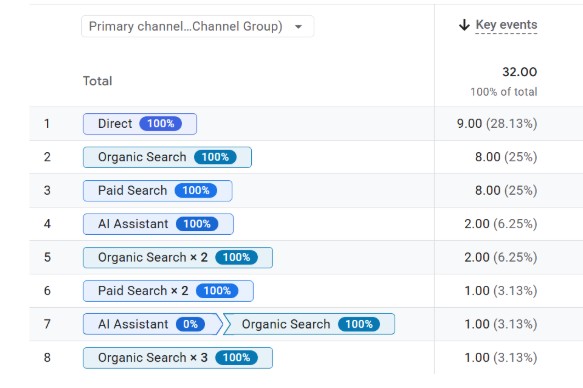
- GA4 Tracking: GA4 displays top metrics like sessions, direct conversions, and even assisted conversions. However, clients should understand this is missing out on most of the value of what getting cited in these platforms mean for your brand.
- Price: Plans begin at $900 a month for small businesses. Adding prompts beyond the base 15 will raise the monthly investment.
How Much Does Small Business GEO Cost?
The Local GEO SEO Service cost starts at $900 a month. Price increases due to the number of prompts tracked after 15
- Monitoring 20 daily discovery prompts through Otterly.AI, which follows your progress across Microsoft CoPilot, ChatGPT, Perplexity, and Google Gemini
- Making on page changes to target pages like key summaries, removing jargon, adding more content, and more
- Create new GEO specific blog posts to help close a brand mention gap for long-tail queries
- Reviewing third-party cites that are cited in the GEO results that don’t mention your brand and may mention your competitors. Getting listed on those sites / having dedicated articles on can help improve your online visibility
- Getting reviews to help improve your brand sentiment score
- Pulling Google Analytics data to show session and revenue activity coming from ChatGPT and similar assistants
- And more!
Example GEO Prompts for Service Area Businesses
For small business clients, I blend upper-funnel and lower-funnel prompts across every GEO platform I monitor. Tracking both long and short prompts matters because real people phrase AI questions very differently depending on where they are in the buying process.
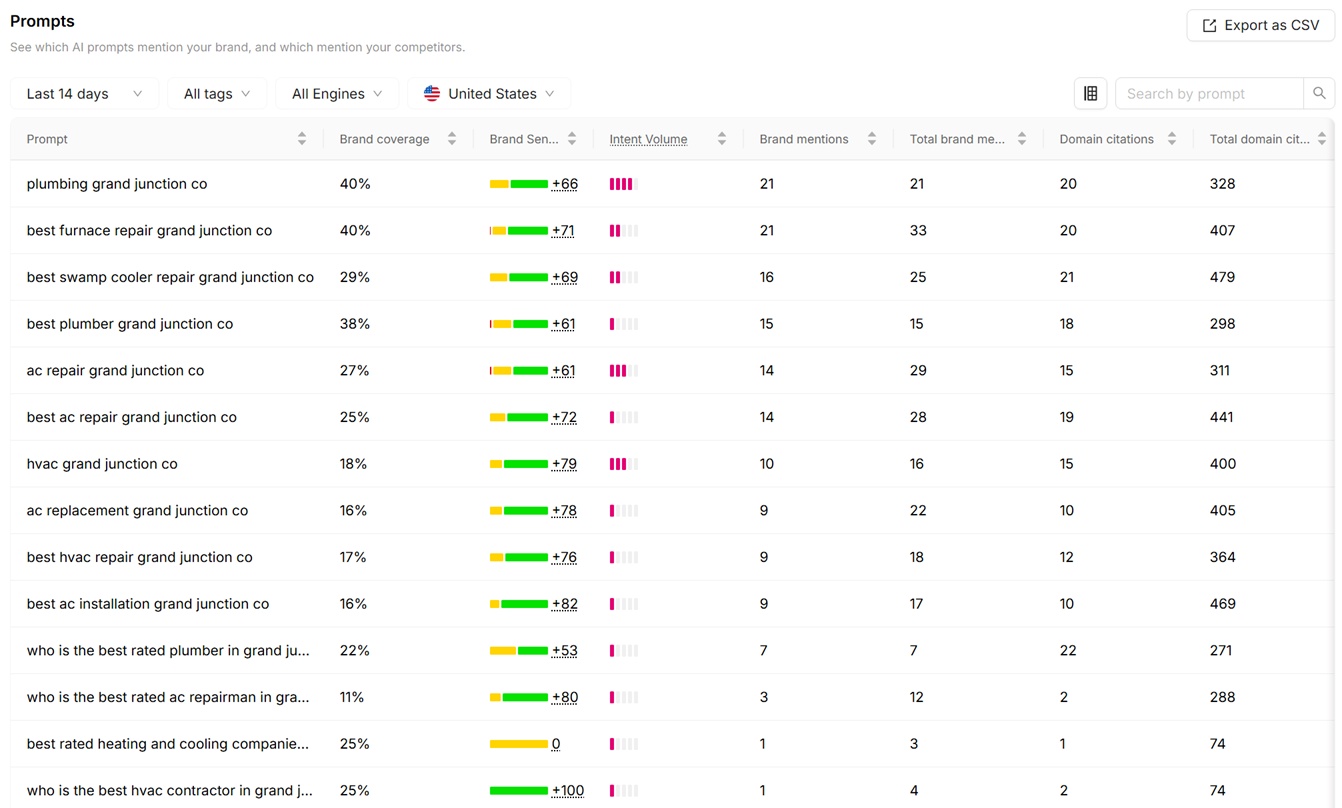
For example, I’m tracking the local results for an HVAC client of mine in Grand Junction, Colorado. Since Otterly tracks everything at the country level, I get around this by adding the city in the prompt to track the local results. As you can see, I have the following types of prompts
- Who is the best rated plumber in grand junction for leaky pipes (upper funnel question)
- Plumbing Grand Junction CO (commercial)
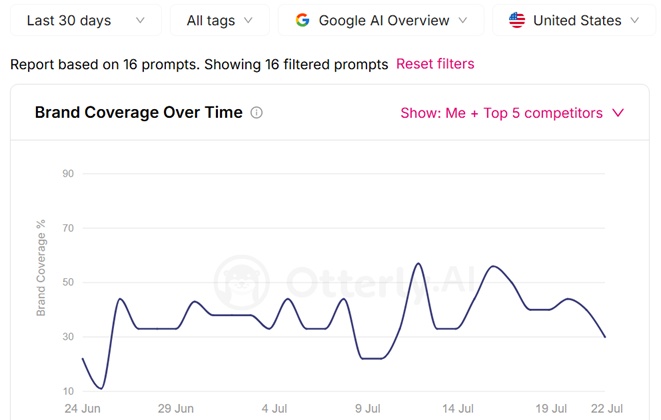
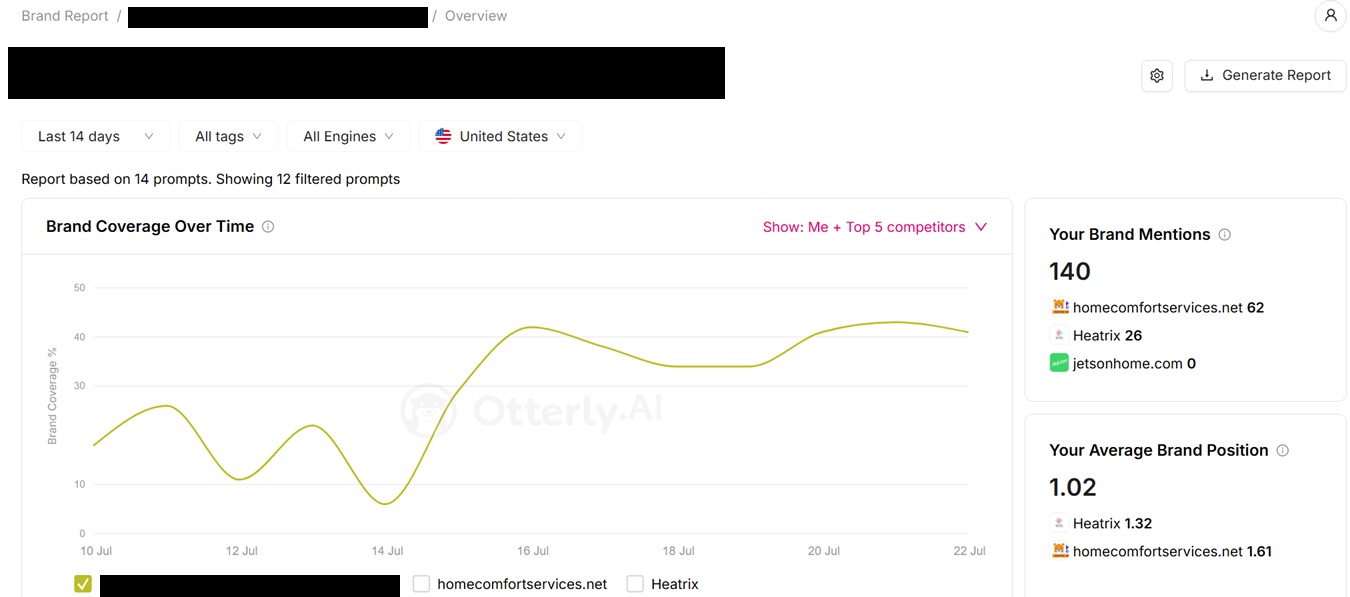
GEO Drill Down Example: Google AI Overview
Otterly allows me to track ChatGPT, Google AI Overview, Microsoft Copilot, and Perplexity. For local intent clients, like doctors and HVACS, I’ve found that Google AI Overview focus tends to lead to better results and more business for my clients. Since Google, at times, will display the AI overview in the local search results, I need to ensure that our landing pages are ranking, our Google Business Profile appears in the map pack, and that our listing is cited in the AI overview summary.
To help with that, I tend to filter to only show Google AI overview trends for my clients. Increasing the brand mentions for my clients on Google AI tends to be more important that Microsoft CoPilot and Perplexity, for example.
Local Falcon Helps with Analysis
Local Falcon is a tool I use primarily for GBP (Google Business Profile) optimization and tracking for my Local SEO clients. While they have features to track ChatGPT and Google Gemini / AI overviews, I don’t use that feature due to still feeling it is in early stages and doesn’t do as great of a job as Otterly.
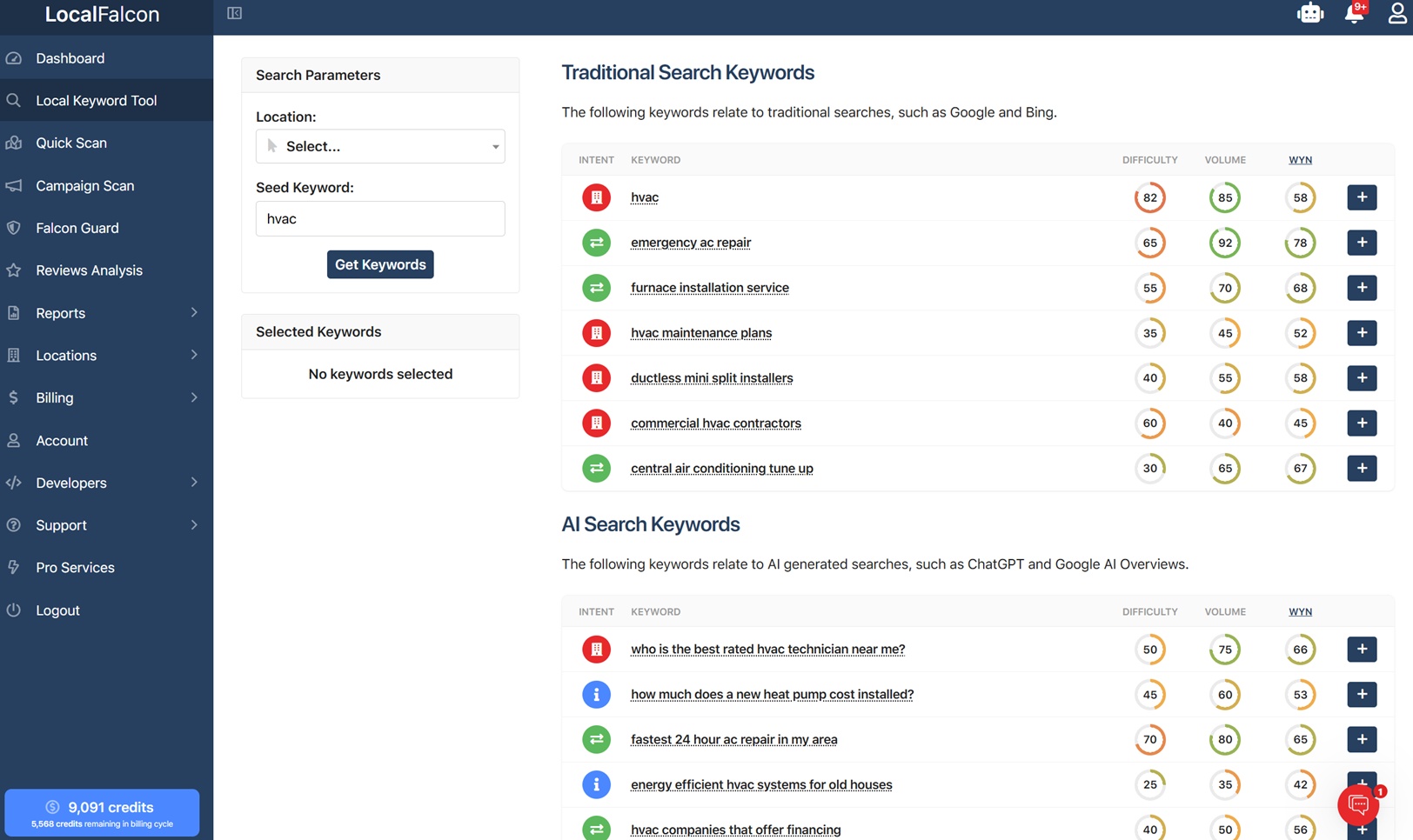
Still, one feature I use regularly is the search feature in Local Falcon to take a root keyword and see what different types of prompts I should track in Otterly to reach local customers or increase the foot traffic to a physical location.
What’s the Difference Between GEO and AEO?
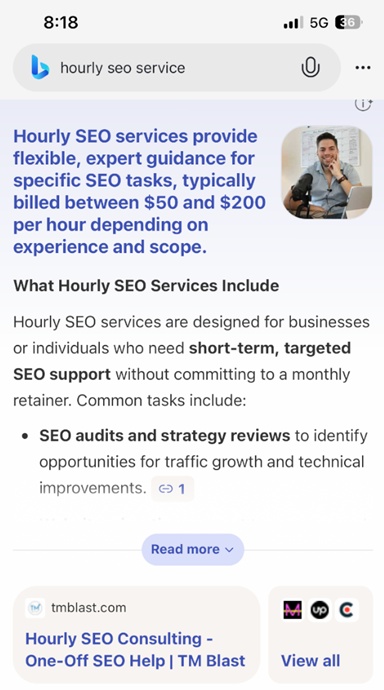
Generative Engine Optimization (GEO) focuses on increasing a company’s visibility within AI-generated responses from platforms such as ChatGPT. When an AI assistant references, recommends, or cites your business while answering a user’s question, that exposure can be considered a GEO success.
Answer Engine Optimization (AEO), by comparison, targets the direct answers, summaries, and featured results that appear near the top of Google and Bing’s search engine results pages. Strong SEO practices often support AEO performance, although some of the websites cited in answer boxes may also appear within generative AI responses.
New Local Content Marketing Strategy is Part of the Small Business GEO Strategy
Gaps can appear after tracking a handful of prompts for my local service businesses. For example, we may be missing out everyday on ChatGPT / Google AI Overview for phrases like “what are the best hvac companies near me” or something similar.
If that is the case, I would recommend creating a dedicated blog post about this topic that covers this topic and explains why we are a good option for customers looking for home services.
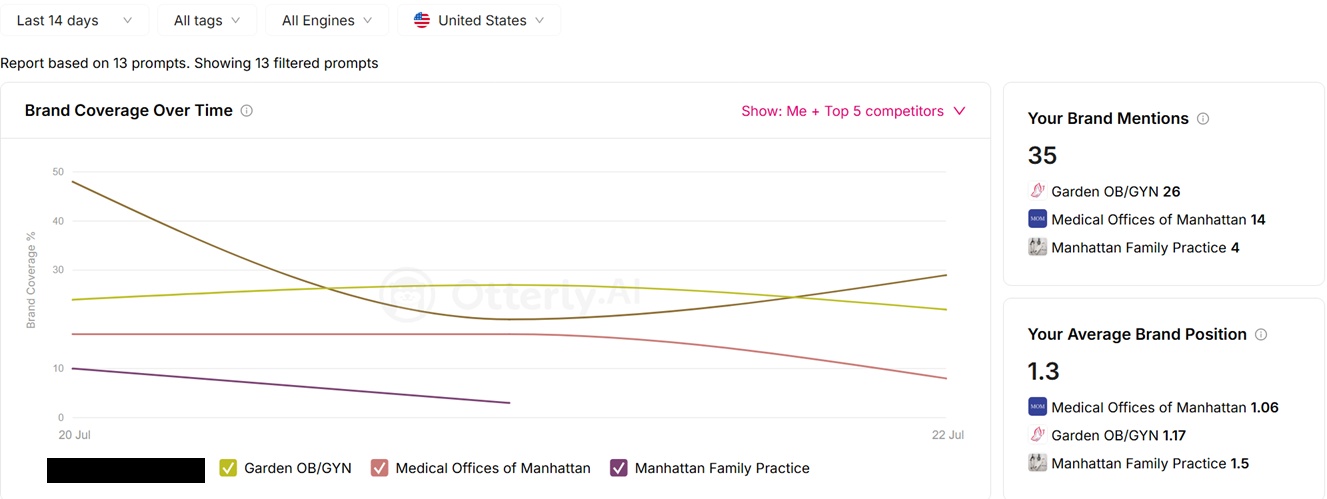
Competitor Review
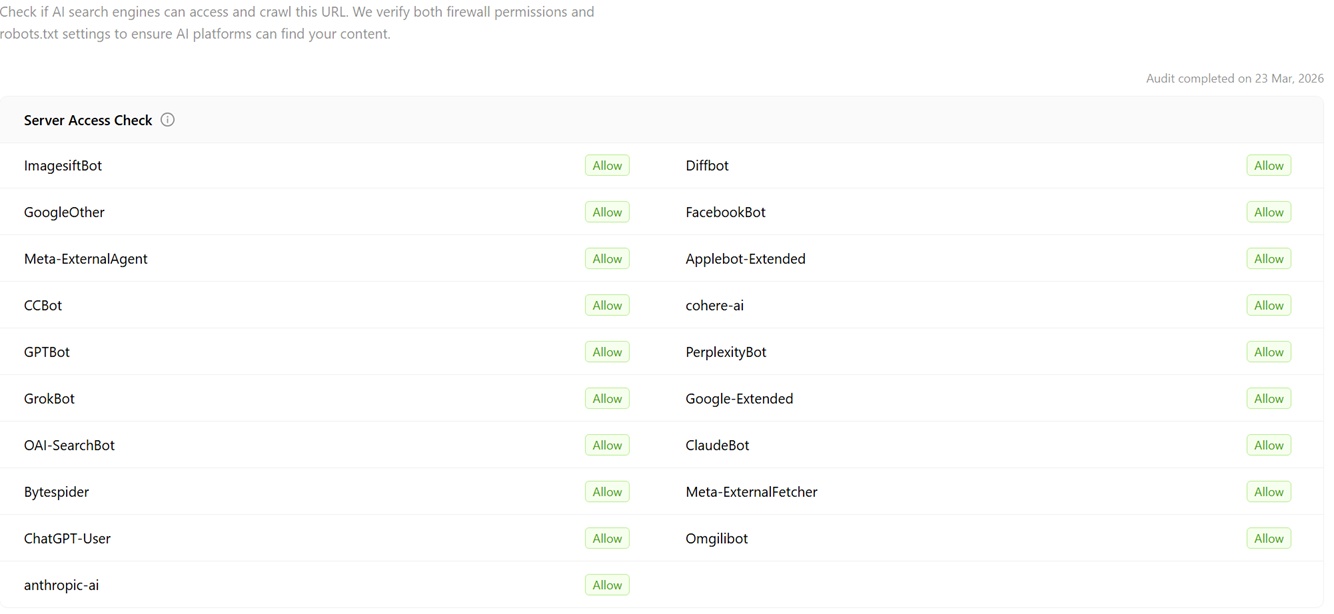
One part of Otterly.AI that I enjoy is measuring my client’s against their competitors for the same professional services. It is helpful to see what competitors are cited more often on places like ChatGPT, and more importantly, the brand sentiment score and third-party sites they are featured on. The brand sentiment score and third-party listings are something I will get into more.
Brand Sentiment Score / Location Signals
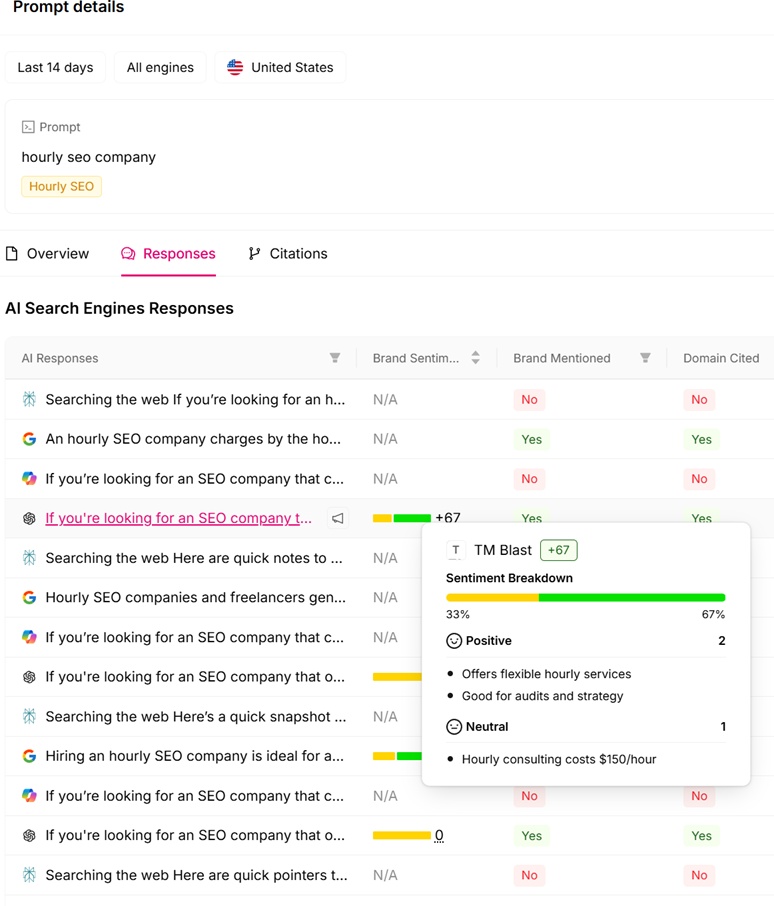
Otterly.AI tracks something called a brand sentiment score, which is critical to know for AI search optimization. Getting cited on a platform is step 1, but step 2 is getting recommended to users when they are looking for that service. For example, if my client had a below average brand sentiment score because customer reviews on Yelp or Google or low, then I would encourage my client to get more reviews.
Another way to help the brand sentiment score is to get listed on third-party sites. For example, a list of the top plumbers in Grand Junction on a reputable source, like Grand Junction’s city directory page, would hold more positive brand scores vs getting listed on a random blog post. Trust signals like reviews on Yelp and other platforms along with reputable third-party sites (backlinks) all go into the strategy.
GA4 Will Show Session Data and Goals for LLMS
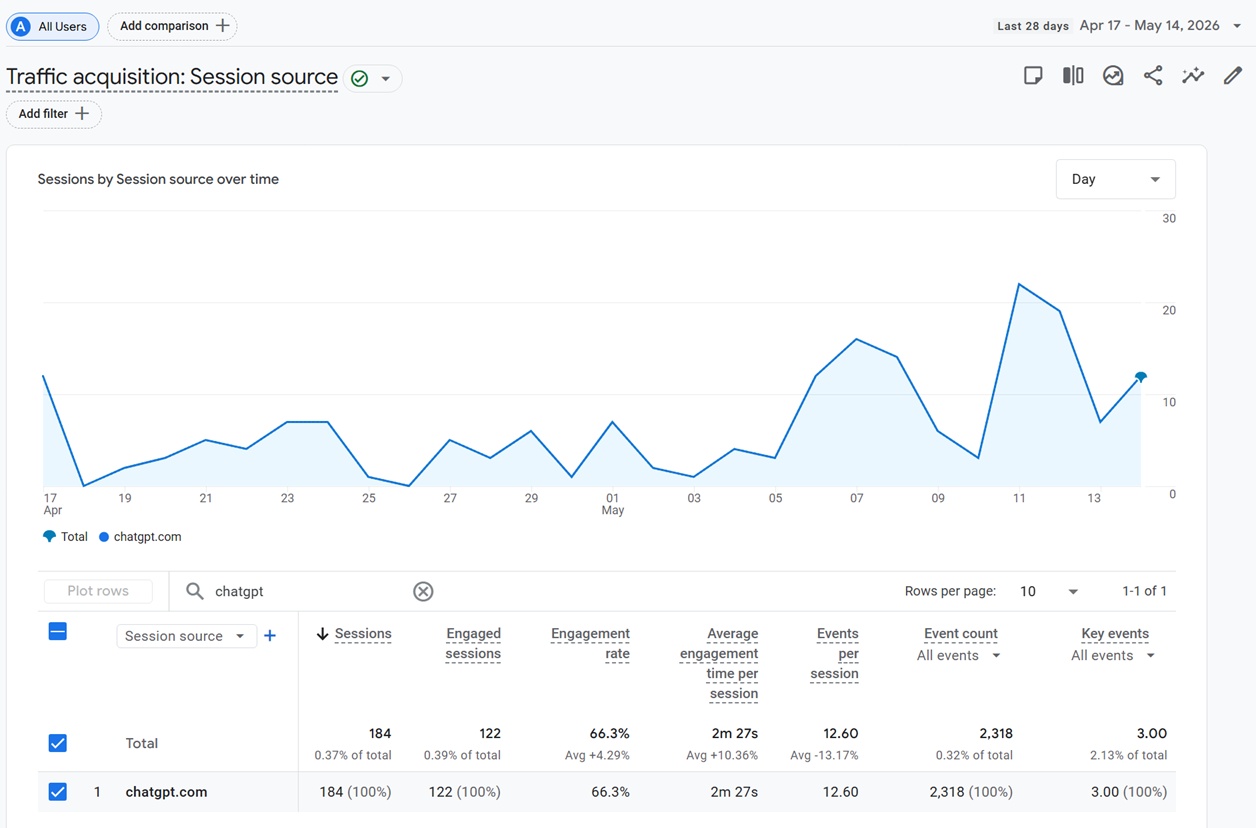
GEO success starts with increasing how often a brand appears in AI-generated answers. The next priority is strengthening the reputation surrounding those mentions through reviews, articles, and other online sources. Measuring website traffic from GEO is more complicated.
AI platforms may mention a company without linking to its website. Those appearances can look valuable in tools like Otterly.AI, but they do not create a direct visit. Any resulting lift may instead appear as branded search traffic without being credited to GEO.
Even when ChatGPT includes a link, users often remain within the platform, making GA4 attribution incomplete. That is why setting precise GEO traffic goals, such as growing from 3% to 10%, can create unrealistic expectations. The attached GA4 image shows ChatGPT referral sessions increasing for my client.